


Best Crypto Wallets: Hot & Cold Options Reviewed

The best crypto wallet depends on your needs. For maximum security, hardware wallets like Ledger Stax and Trezor Safe 7 are top choices. For daily DeFi and dApp use, MetaMask remains the standard. For mobile multi-chain, Trust Wallet leads with 200M+ downloads. The safest strategy is to use a cold wallet for long-term storage and a hot wallet for everyday transactions.
Quick Comparison – Best Crypto Wallets 2026
| Wallet | Type | Security | Supported Assets | Best For | Price |
|---|---|---|---|---|---|
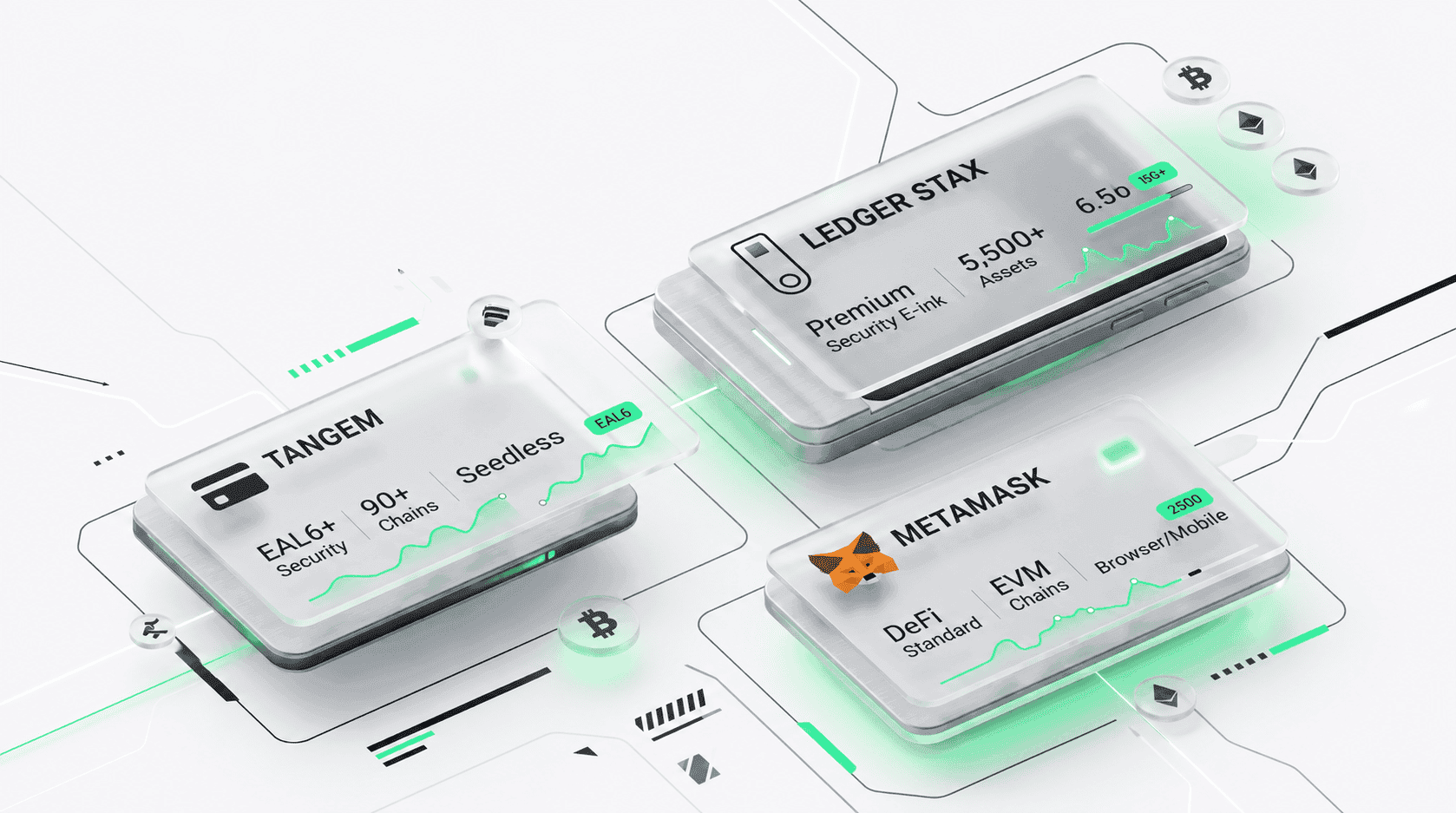
| Tangem | Hardware (card) | EAL6+ | 90+ chains, 16,000+ tokens | Seedless cold storage | $55–$70 |
| Ledger Stax | Hardware | CC EAL6+ | 5,500+ assets | Premium cold storage | ~€399 |
| Guarda | Hot (desktop/mobile) | Non-custodial | 70+ chains, 1M+ tokens | Desktop-first multi-chain | Free |
| Trezor Safe 7 | Hardware | EAL6+ | 8+ chains | Mid-tier cold storage | ~$249 |
| NGRAVE ZERO | Hardware (air-gapped) | EAL7 | Multi-chain | Ultra-high security | ~€398 |
| SafePal S1 | Hardware (air-gapped) | Secure element | 100+ chains | Budget air-gapped | $50–$100 |
| Zengo | Hot (mobile) | MPC (no seed phrase) | 4+ chains (Bitcoin, Ethereum, Polygon, Solana) | Seedless recovery | Free / $20/mo |
| MetaMask | Hot (browser/mobile) | Non-custodial | EVM + Bitcoin, Solana (limited) | DeFi, dApps | Free |
| Trust Wallet | Hot (mobile) | Non-custodial | 100+ chains | Mobile multi-chain | Free |
| Coinbase Wallet | Hot (mobile/browser) | Non-custodial | 60+ networks | Beginners, Base L2 | Free |
| Exodus | Hot (desktop/mobile) | Non-custodial | 10+ chains, 300+ assets | Beginner-friendly | Free |
| Phantom | Hot (browser/mobile) | Non-custodial | Solana, EVM, Bitcoin | Solana & NFTs | Free |
| Electrum | Hot (desktop) | Non-custodial | Bitcoin-only | Bitcoin power users | Free |
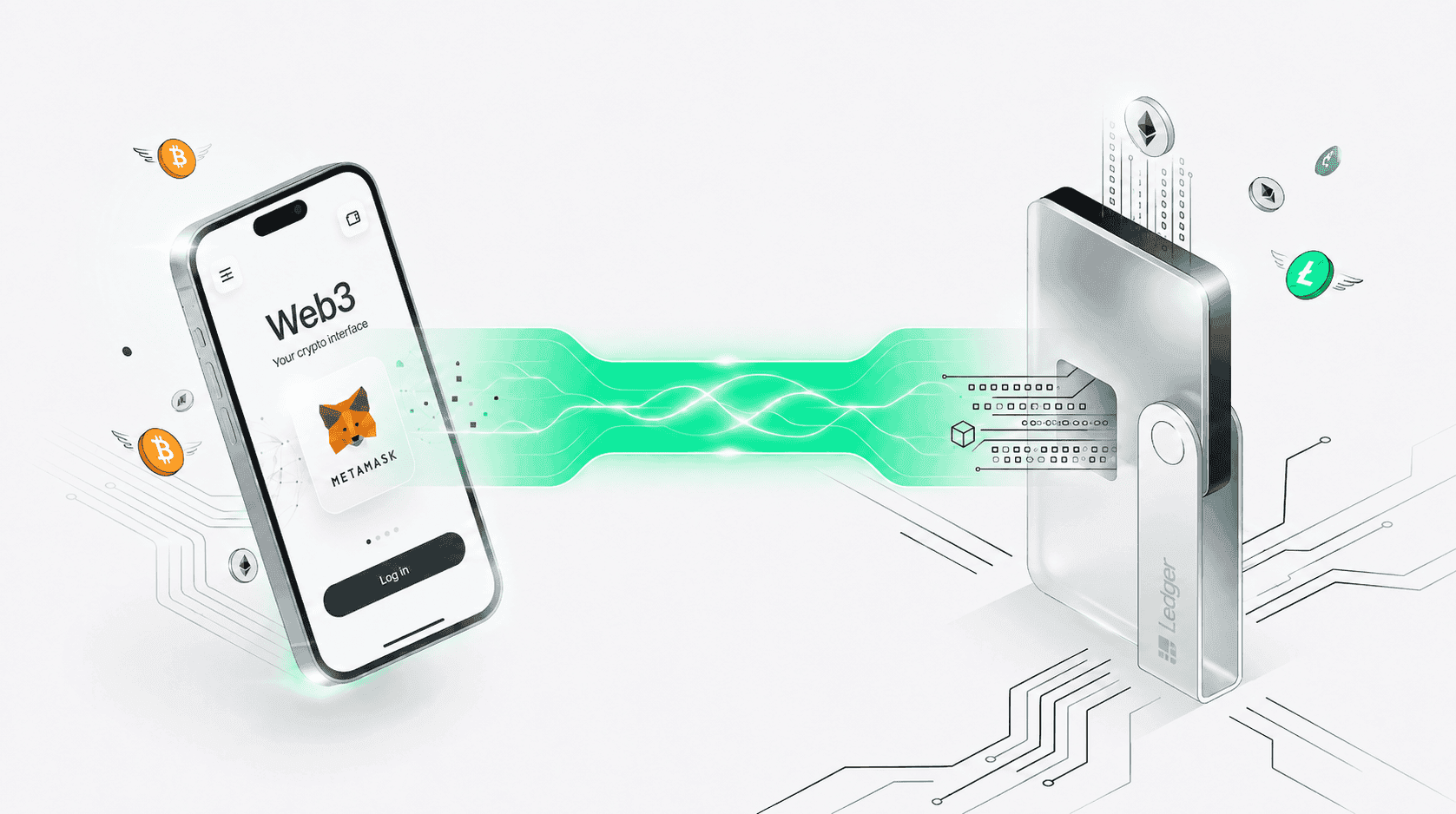
Key Takeaways
- Hardware wallets offer the highest security for long-term storage.
- Hot wallets are best for daily DeFi, NFT, and dApp interactions.
- No single wallet fits everyone — the right choice depends on your use case.
- The safest approach: use a cold wallet for savings and a hot wallet for spending.
"There is no single 'best' crypto wallet" — the right pick depends on how you use crypto day to day.
Best Crypto Wallets – Detailed Reviews
Tangem Wallet is a hardware wallet that looks like a credit card. A crypto hardware wallet like Tangem keeps your private keys offline, protecting them from online threats. Private keys are generated and stored entirely inside the card's EAL6+ certified secure chip and are never exposed to your mobile device. The 3-card pack provides redundancy. It supports 90+ blockchains and 16,000+ tokens. Recovery is handled through the 3-card redundancy system. Drawbacks include reliance on physical cards; if all are lost, funds are unrecoverable.
Ledger Stax is Ledger's flagship hardware wallet with a curved E-Ink touchscreen and wireless charging. It supports 5,500+ assets through Ledger Live. Recovery uses a 24-word seed phrase, with Ledger Recover as an optional paid backup service. Drawbacks include a premium price (~€399).
Guarda is a non-custodial hot wallet available on desktop, mobile, and web. It supports 70+ chains and 1M+ tokens. Recovery uses a 12-24 word seed phrase. Drawbacks include a desktop-first experience that may feel less intuitive on mobile.
Trezor Safe 7 offers a large touchscreen and open-source firmware. Trezor is a trusted hardware wallet crypto brand with open-source firmware and strong community support. It supports 8+ chains. Recovery uses a 12-24 word seed phrase with Shamir Backup support. Drawbacks include no Bluetooth and a premium price (~$249).
NGRAVE ZERO features EAL7 certification — the highest security level available — and is fully air-gapped with no USB, Bluetooth or WiFi. It includes a 4-inch touchscreen and fingerprint sensor. Recovery uses a 24-word seed phrase. Drawbacks include a high price (~€398) and more manual operation.
SafePal S1 is a fully air-gapped hardware wallet using QR code signing. It supports 100+ chains. Recovery uses a 12-24 word seed phrase. Drawbacks include slower QR scanning compared to Bluetooth wallets.
Zengo is a mobile hot wallet that uses MPC (Multi-Party Computation) instead of a seed phrase. Access is split between the device and an encrypted backup, rather than a single phrase. It supports Bitcoin, Ethereum, Polygon, and Solana (4+ chains). Drawbacks include no desktop version and a $20/mo premium plan. Free plan available.
MetaMask is the most widely used non-custodial hot wallet with around 30 million monthly active users. It supports EVM chains with limited support for Bitcoin and Solana. Recovery uses a 12-word seed phrase. Drawbacks include vulnerability to phishing. No wallet fees for sending/receiving; swap fees apply.
Trust Wallet is the most popular mobile crypto wallet with over 200 million downloads. It supports 100+ native blockchains. Recovery uses a 12-word seed phrase. Drawbacks include mobile-only availability.
Coinbase Wallet supports 60+ networks with personalised usernames and biometric login. Recovery uses a 12-word seed phrase with optional cloud backup. Drawbacks include limited advanced DeFi features. Note: This is the self-custody wallet, not the Base L2 network.
Exodus is a non-custodial hot wallet available on desktop, mobile, and browser. It supports 10+ chains and 300+ assets. Recovery uses a 12-word seed phrase. Drawbacks include closed-source code and higher swap fees.
Phantom started as a Solana-only wallet and now supports Bitcoin, Ethereum, Solana, Polygon, and BNB Chain. Recovery uses a 12-word seed phrase. Feature set varies depending on network.
Electrum is a Bitcoin-only desktop wallet trusted since 2011. Recovery uses a 12-word seed phrase. Drawbacks include a non-beginner-friendly interface.
What Is a Crypto Wallet and How Does It Work?
A cold wallet crypto is the same as a cold wallet — offline storage like hardware wallets, providing maximum security. A crypto wallet does not store your coins. Your coins exist on the blockchain. The wallet stores your private keys — cryptographic credentials that prove your ownership and allow you to sign transactions. A cryptocurrency wallet is your gateway to Web3 — without one, you cannot send, receive, or interact with decentralised applications. A web3 wallet is designed to interact with decentralised applications, making it essential for DeFi and NFTs.
Key Concepts of a Crypto Wallet
- Private key: The secret that controls your funds — never share it.
- Public key / address: Derived from the private key — share to receive funds.
- Seed phrase: 12-24 words that can restore your entire wallet — your ultimate backup.
Types of Crypto Wallets
| Type | Who controls the keys | Internet connection | Best for |
|---|---|---|---|
| Custodial | Third party (exchange) | Online | Beginners, convenience |
| Non-custodial | You | Online | Full control, DeFi |
| Hot wallet | You | Always online | Daily use, DeFi, NFTs |
| Cold wallet | You | Offline | Long-term storage |
Hot wallet vs cold wallet: Hot wallets are connected to the internet, making them convenient but more vulnerable. Cold wallet crypto (hardware wallets) keep your keys offline, providing maximum security for long-term storage.
How to Choose and Use a Crypto Wallet
Choosing the best crypto wallets starts with understanding your needs. Key criteria include security (non-custodial, hardware support, open source), supported chains, use case (DeFi, NFTs, long-term storage, daily spending), user experience, and recovery options.
Why you shouldn't choose a wallet only by number of coins: A wallet might support many coins but lack essential security features, have poor UX, or be vulnerable to hacks. Always prioritise security, reputation, and usability over raw asset count.
Best Wallets by Type and Use Case:
- Best Hardware Wallets: Ledger Stax (premium), Trezor Safe 7 (mid-tier), Tangem (seedless card), NGRAVE ZERO (maximum security), SafePal S1 (budget)
- Best Hot Wallets: MetaMask (DeFi and dApp standard), Trust Wallet (mobile multi-chain), Phantom (Solana and multi-chain), Exodus (beginner-friendly)
- Best Bitcoin Wallets: Electrum (desktop standard). The best bitcoin wallets include Electrum for advanced users and hardware wallets like Ledger for long-term storage.
- Best Wallets for DeFi, NFT, and dApps: MetaMask, Phantom, Trust Wallet
- Best Wallets for Beginners: Exodus, Trust Wallet, Coinbase Wallet
- Best Wallets for Long-Term Storage: Ledger Stax, Trezor Safe 7, Tangem, NGRAVE ZERO
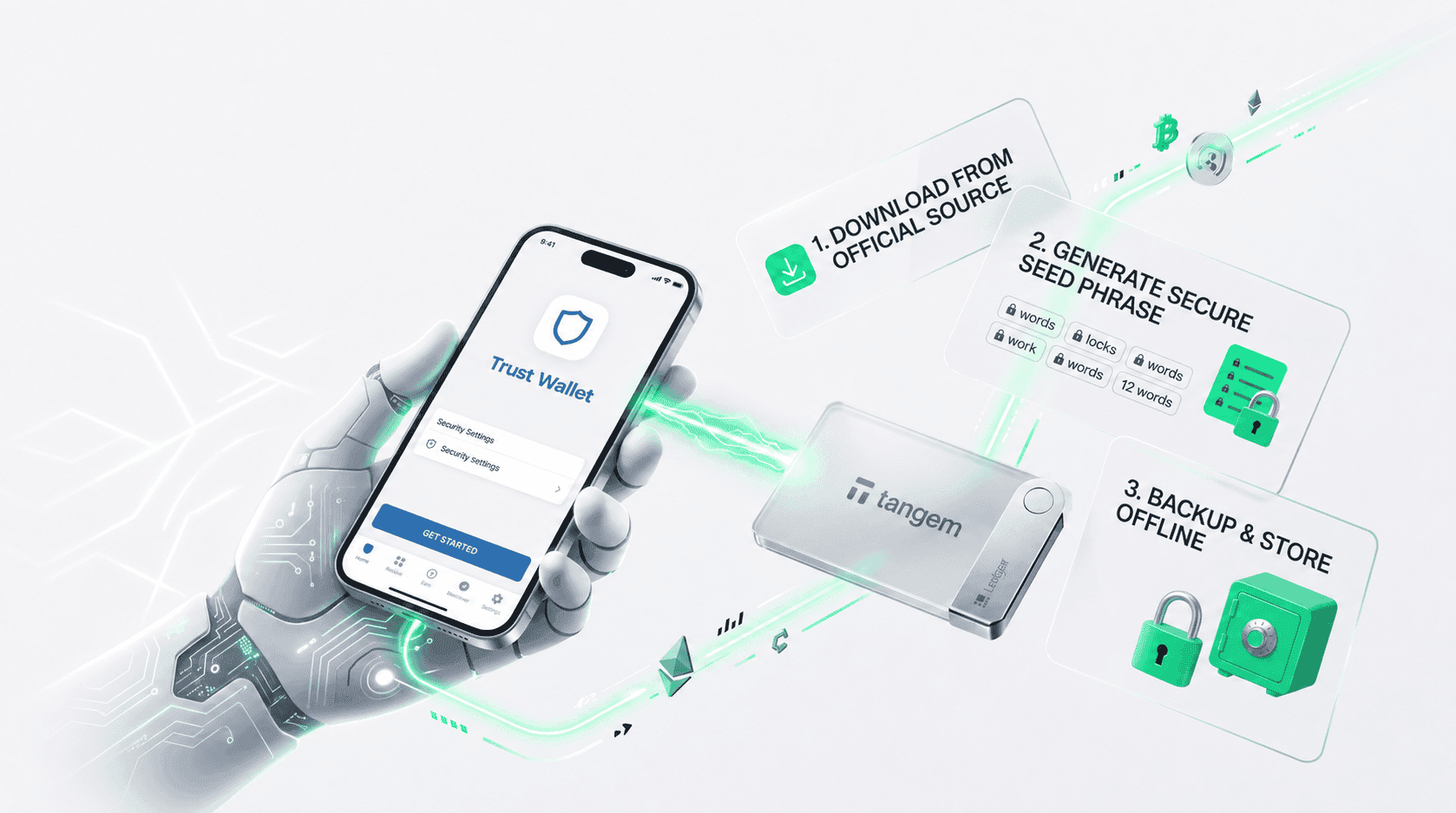
How to set up a new wallet safely:
- Download from the official source only.
- Create a new wallet and generate a seed phrase.
- Write down your seed phrase on paper — never digitally.
- Set a strong password or biometric lock.
- Back up your seed phrase in multiple secure locations.
Security best practices:
- Never share your seed phrase or private key
- Store your seed phrase offline on paper or metal
- Download wallets only from official sources
- Use hardware wallets for large amounts
- Enable 2FA and biometric locks where available
- Double-check addresses before sending
"Choosing the right crypto wallet is more important than ever. The wallet you pick decides which blockchains you can access, how safe your assets are, and how smoothly you interact with DeFi, NFTs, and Web3 apps."
Security, Recovery, and Methodology
How to combine cold and hot wallets: Use a cold wallet for long-term storage (savings) and a hot wallet for daily spending. Only keep small amounts in your hot wallet.
Seed phrase, private key, and recovery:
- Seed phrase: 12-24 words — restores your entire wallet.
- Private key: One key per address — never share it.
- Recovery: If you lose your device, use your seed phrase to restore on a new device.
Risks to avoid: Phishing (fake websites impersonating wallets), fake wallet apps from unofficial sources, malicious approvals that drain your wallet via dApp scams, and loss of seed phrase leading to permanent loss of funds. If you lose your device or suspect compromise, immediately restore your wallet using your seed phrase on a new device and move funds to a new wallet.
Methodology: This comparison is based on security certifications (EAL5+, EAL6+, EAL7), supported chains and assets verified from official documentation, user experience and interface, price and value, and community reputation and adoption. All data is sourced from official wallet websites and publicly available reviews as of 2026.
Conclusion – Which Crypto Wallet Should You Choose?
- For long-term storage: Ledger Stax, Trezor Safe 7, Tangem, or NGRAVE ZERO.
- For daily DeFi and dApps: MetaMask.
- For mobile multi-chain: Trust Wallet.
- For Solana NFTs: Phantom.
- For Bitcoin-only power users: Electrum.
- For beginners: Exodus or Coinbase Wallet.
The safest strategy is to use a cold wallet for long-term storage and a hot wallet for daily spending. Never keep more than you need in a hot wallet, and always protect your seed phrase.
About This Article
This guide was researched and written by the Crouton Digital team — Web3 infrastructure specialists with hands-on experience in blockchain networks, wallets, and crypto security.
Transparency Notice
Wallet features, supported assets, security certifications, and prices may change over time. Always verify current information on the provider’s official website before choosing or using a wallet. Crouton Digital is not affiliated with the wallets listed unless explicitly stated. This content is for informational purposes only and is not financial or investment advice.
Frequently Asked Questions

A Web3 OG who has navigated the industry’s evolution from whitepapers to widespread adoption. Having built through the euphoria of bull runs and the discipline of bear winters. Opinions are strictly personal, crafted from years of deep-dive research and hands-on experience in the trenches.