


What Is the Most Popular Wallet in the World?

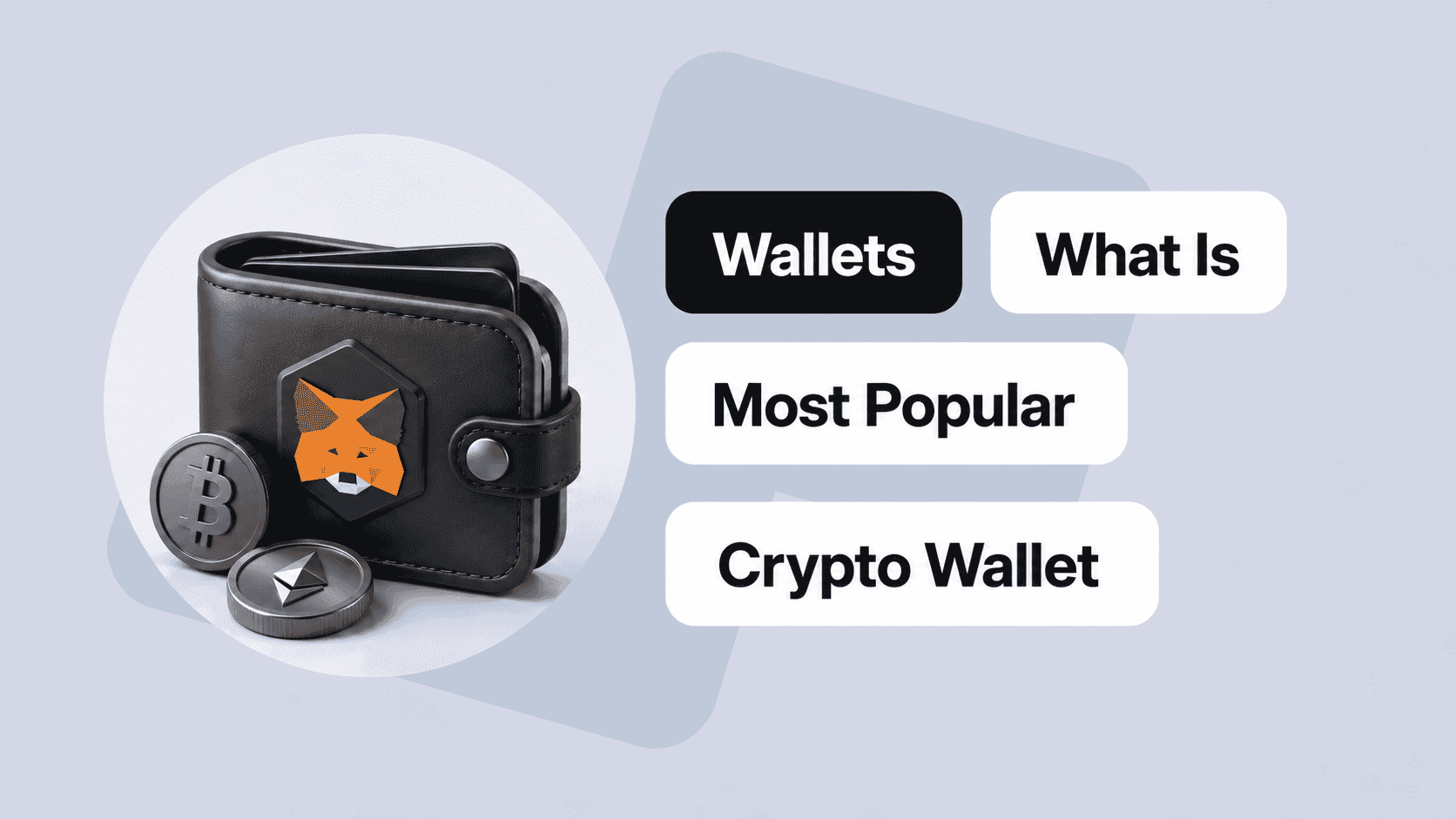
The most popular crypto wallet by monthly active users is MetaMask (30M). However, Trust Wallet leads in total downloads (200M+), and Ledger dominates hardware wallets (6M+ devices sold). For a detailed trust wallet review, see the overview below — it covers features, supported chains, security, and why this mobile wallet has become a top choice for multi-chain users.
What Is the Most Popular Crypto Wallet?
The most popular crypto wallet is MetaMask with around 30 million monthly active users. It is the standard for interacting with Ethereum and EVM-compatible dApps. However, popularity varies by category:
| Wallet | Type | Users/Downloads | Best For |
|---|---|---|---|
| MetaMask | Hot (browser/mobile) | 30M monthly active users | DeFi, dApps, EVM chains |
| Trust Wallet | Hot (mobile) | 200M+ downloads | Mobile multi-chain |
| Coinbase Wallet | Hot (mobile/browser) | 25M+ users (estimated) | Beginners, Base L2 |
| Ledger | Hardware | 6M+ devices sold | Long-term security |
| Phantom | Hot (browser/mobile) | 15M+ users | Solana and NFTs |
"MetaMask is the most popular crypto wallet by monthly active users, but Trust Wallet leads in total downloads."
Most Popular Crypto Wallet – Detailed Overview
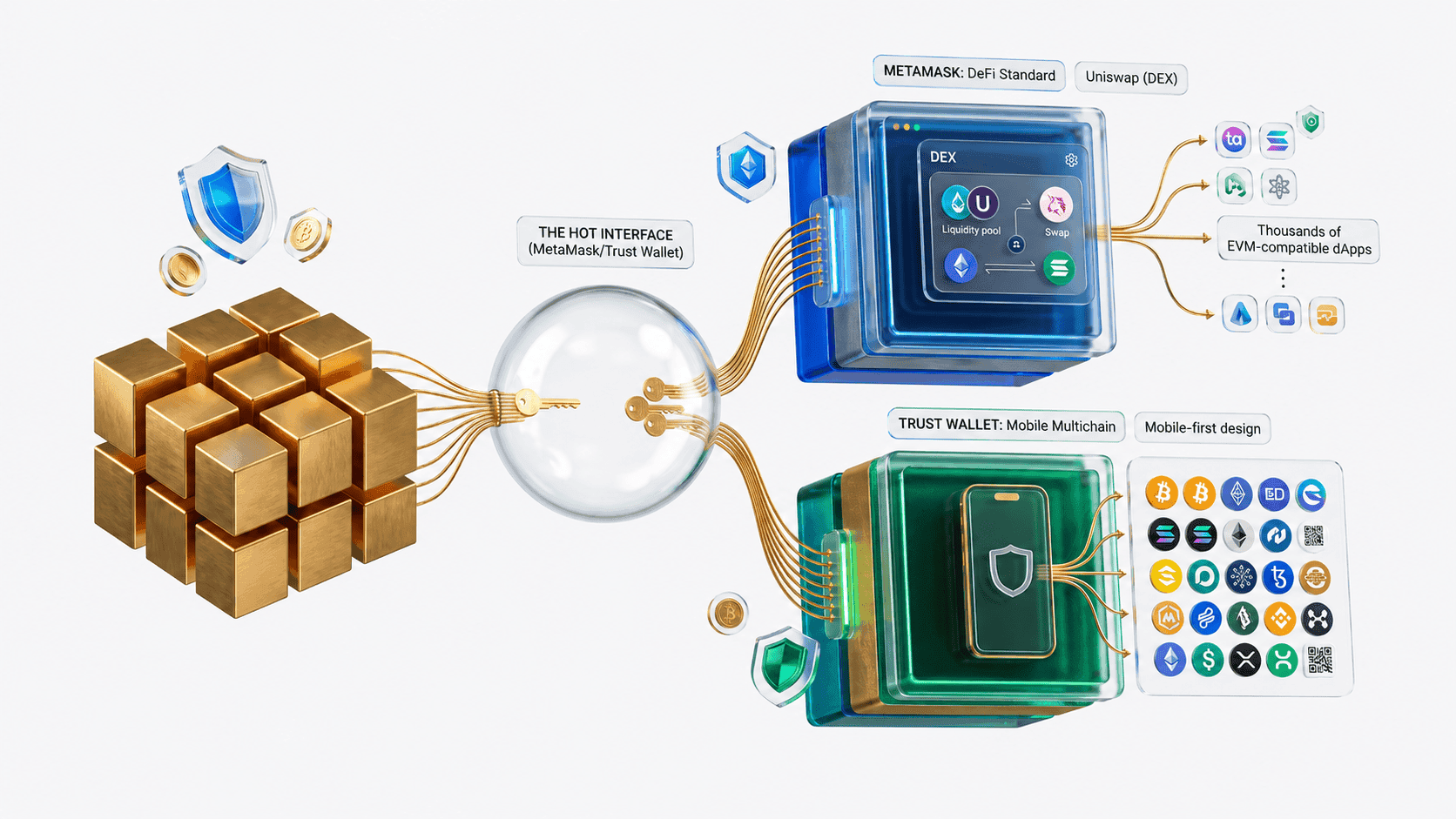
MetaMask is exploring support for additional chains but remains focused on EVM-compatible networks. It is available as a browser extension and mobile app, with a built-in dApp browser and swap aggregator. No wallet fees for sending or receiving, but swap fees apply. Recovery uses a 12-word seed phrase. Drawbacks include vulnerability to phishing and malicious dApps.
Trust Wallet is the most popular mobile crypto wallet, with over 200 million downloads. It is fully open-source and supports 100+ native blockchains including Bitcoin, Ethereum, BNB Chain, Solana, Tron, and Polygon. No platform fees for staking, buying, sending or receiving, but swap fees apply. Recovery uses a 12-word seed phrase. Drawbacks include mobile-first design. Hardware wallet integration support should be verified directly with Trust Wallet for the latest 2026 status.
Coinbase Wallet is a beginner-friendly self-custodial wallet that supports 60+ networks including Ethereum, Solana, Bitcoin, Base, Polygon, and BNB Chain. It offers personalised usernames and biometric login. Recovery uses a 12-word seed phrase with optional cloud backup. Cloud backup is convenient but less secure — use with caution and never store your seed phrase in the cloud. Drawbacks include limited advanced DeFi features.
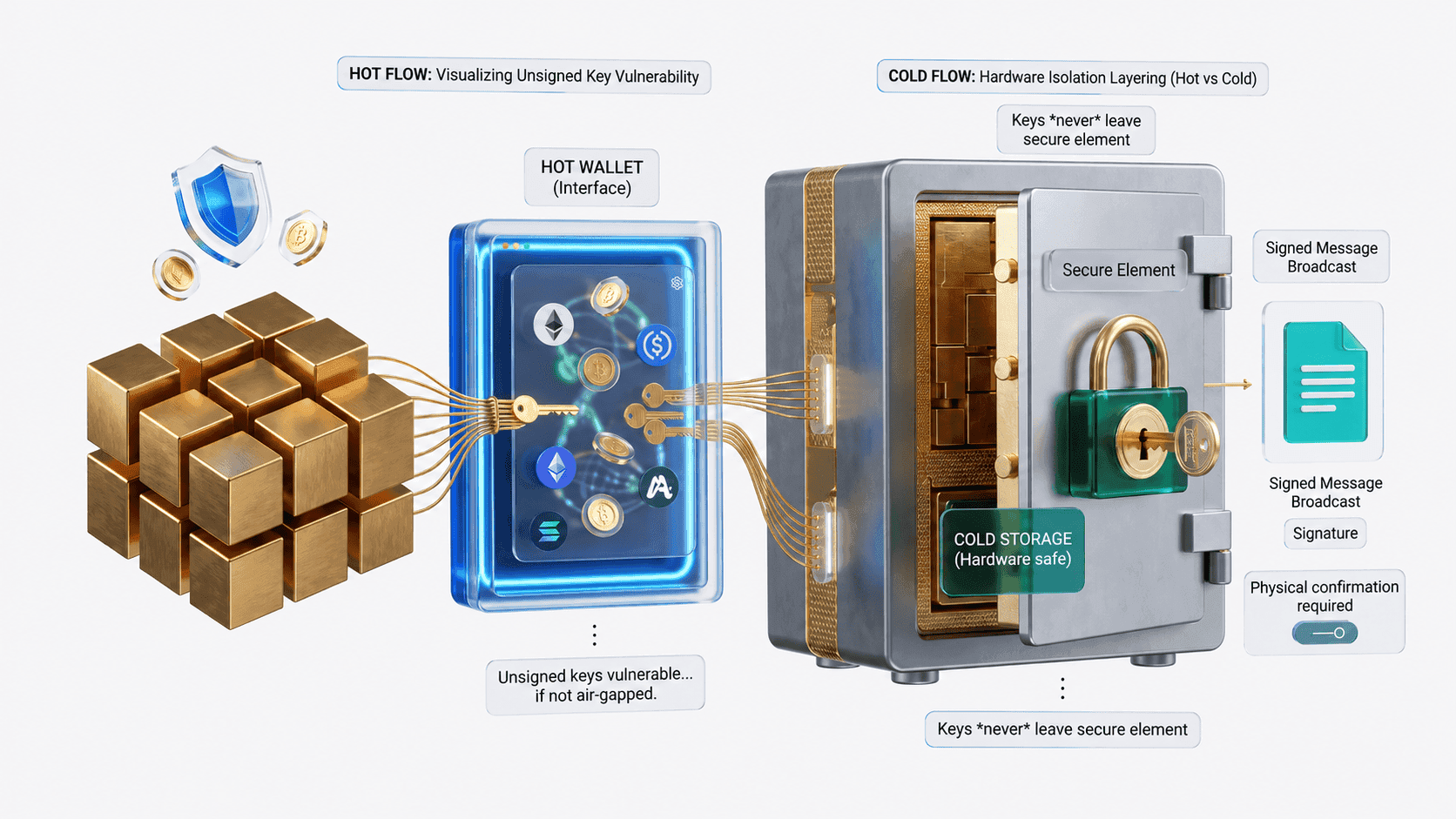
Ledger is the most popular cold wallet crypto brand, with over 6 million devices sold. Ledger Flex and Ledger Stax are top-tier hardware wallets supporting 5,500+ assets. They feature CC EAL6+ certified secure elements and Bluetooth connectivity. Recovery uses a 24-word seed phrase, with Ledger Recover as an optional paid backup service. Note: this feature generated significant community debate regarding its security model, as it involves splitting and transmitting your seed phrase to third-party servers. It remains opt-in and is not enabled by default. Drawbacks include premium pricing and the need for physical access.
Phantom is the go-to wallet for Solana with 15M+ users. It now supports Bitcoin (via Ordinals support, though native Bitcoin transactions are not a core feature — Phantom's primary focus remains Solana and EVM chains), Ethereum, Solana, Polygon, and BNB Chain. It offers native Solana staking and real-time threat detection. Recovery uses a 12-word seed phrase. Drawbacks include limited advanced DeFi features compared to MetaMask.
What Is a Cryptocurrency Wallet and How Does It Work?
A cryptocurrency wallet does not store your coins. Your coins exist on the blockchain. The wallet stores your private keys — cryptographic credentials that prove your ownership and allow you to sign transactions.
Key concepts:
- Private key: The secret that controls your funds — never share it.
- Public key / address: Derived from the private key — share to receive funds.
- Seed phrase: 12-24 words that can restore your entire wallet — your ultimate backup.
Types of crypto wallets:
- Self-custodial wallet: You control your private keys.
- Exchange wallet: The exchange holds your keys (custodial).
- Online crypto wallet: A wallet that is connected to the internet — includes mobile, desktop, and browser wallets.
- Bitcoin wallet: A wallet designed specifically for Bitcoin (e.g., Electrum). Some wallets support Bitcoin alongside other assets.
- Cold wallet: Offline storage (hardware wallet).
Self-custodial and non-custodial are the same thing — both mean you control your private keys. The term "non-custodial" is more common. A self custodial wallet puts you in full control of your private keys, meaning no third party can access or freeze your funds.
| Type | Who controls the keys | Security | Best for |
|---|---|---|---|
| Self-custodial | You | You are responsible | Full control, DeFi |
| Exchange wallet | Third party (exchange) | Relies on provider | Convenience, trading |
How to Choose a Crypto Wallet
Key criteria:
- Security (non-custodial, hardware support, open source)
- Supported chains (does it cover your favourite blockchains?)
- Use case (DeFi, NFTs, long-term storage, daily spending)
- User experience and ease of use
- Recovery options and backup methods
Security best practices:
- Never share your seed phrase or private key.
- Store your seed phrase offline on paper or metal.
- Download wallets only from official sources.
- Use hardware wallets for large amounts.
- Enable 2FA and biometric locks where available.
- Double-check addresses before sending.
"Choosing the right crypto wallet is more important than ever. The wallet you pick decides which blockchains you can access, how safe your assets are, and how smoothly you interact with DeFi, NFTs, and Web3 apps."
Best Wallets by Category
Best Self-Custodial Hot Wallets: MetaMask (best for DeFi and dApps), Trust Wallet (best for mobile multi-chain), Phantom (best for Solana and NFTs).
Best Cold Wallets: Ledger Flex / Stax (premium hardware), Trezor wallet (open-source mid-tier option), and Trezor Safe 5.
Best Exchange Wallets: Coinbase (best for beginners), Binance (best for advanced trading).
How to Set Up a Crypto Wallet
How to set up a crypto wallet:
- Choose your wallet type (browser, mobile, or hardware).
- Download from the official source (e.g., metamask.io, trustwallet.com).
- Create a new wallet and generate a seed phrase.
- Write down your seed phrase on paper — never digitally.
- Set a strong password or biometric lock.
- Back up your seed phrase in multiple secure locations.
How to move crypto from Coinbase to wallet: Copy your wallet address, go to Coinbase, select "Send," paste the address, enter the amount, and confirm.
How to send crypto from Uphold to another wallet: Go to "Send" in Uphold, enter the recipient's address, select the asset and amount, review the fee, and confirm.
Before sending: Always double-check the address, network, and fee. Sending to the wrong address or network is irreversible.
Common Risks and How to Stay Safe
Common risks: Phishing (fake websites impersonating wallets or dApps), fake wallet apps from unofficial sources, loss of seed phrase leading to permanent loss of funds, malicious dApps that trick you into signing harmful transactions, and wallet drainers.
How to protect yourself: Never share your seed phrase or private key. Store your seed phrase offline on paper or metal. Download wallets only from official sources. Use hardware wallets for large amounts. Double-check addresses and networks before sending.
Conclusion – Which Crypto Wallet Should You Choose?
MetaMask is the most popular crypto wallet overall, especially for DeFi and Web3. Trust Wallet is the best mobile wallet for multi-chain use. Ledger is the top choice for hardware wallets and long-term security. Coinbase Wallet is best for beginners.
The safest strategy is to use a cold wallet for long-term storage and a hot wallet for daily spending. Never keep more than you need in a hot wallet, and always protect your seed phrase.
About This Article
This guide was prepared by the Crouton Digital team based on practical experience with crypto wallets, blockchain networks, and Web3 security.
Transparency Notice
Crouton Digital may have a commercial interest in some topics mentioned. Third-party wallets and services are referenced for informational purposes only and are not endorsed. User numbers, downloads, features, fees, and security practices may change, so verify details through official sources. This content is not financial, legal, investment, or security advice. Cryptocurrency wallets involve risks, including phishing, malicious apps, and permanent loss of assets if a private key or seed phrase is lost or exposed.
Frequently Asked Questions

A Web3 OG who has navigated the industry’s evolution from whitepapers to widespread adoption. Having built through the euphoria of bull runs and the discipline of bear winters. Opinions are strictly personal, crafted from years of deep-dive research and hands-on experience in the trenches.