


Zero Gravity: How 0G Labs Is Building Infrastructure for the Next Generation of AI and Web3

Artificial intelligence and blockchain are two of the most influential technological trends shaping the digital economy today. Individually, both technologies have already transformed industries ranging from finance and cloud computing to gaming and digital ownership. But when these systems begin to intersect, they create new possibilities for decentralized computing, large-scale data coordination, and open AI infrastructure.
One of the projects working at this intersection is Zero Gravity, often abbreviated as 0G.
The network is designed as a modular blockchain infrastructure focused on supporting decentralized AI applications and high-performance data availability. Unlike traditional blockchains that primarily process financial transactions, Zero Gravity aims to handle workloads that involve massive datasets, continuous interactions, and scalable computation. The protocol is developed by 0G Labs, a team building infrastructure for decentralized systems that combine blockchain security with modern data architecture.
In this article we’ll break down:
- what Zero Gravity is and why it matters
- how the 0G network works
- the role of 0G Labs in developing the ecosystem
- how the project fits into the rise of modular blockchain infrastructure
- potential use cases for decentralized AI and Web3 applications
What Is Zero Gravity and How the 0G Network Works
A common question among developers and Web3 enthusiasts is simple: what is Zero Gravity?
Zero Gravity is a modular blockchain infrastructure designed to support decentralized applications that require high-performance data availability and scalable storage. Instead of forcing all operations into a single blockchain layer, the network separates responsibilities across different components.
This architecture allows the 0G network to handle workloads that traditional blockchains often struggle with, particularly those involving large datasets or real-time computation.
Most early blockchains were designed primarily for financial transactions. As a result, they are optimized for recording transfers and verifying balances rather than processing complex data pipelines or machine learning workflows.
Zero Gravity takes a different approach.
By focusing on modular architecture and decentralized data layers, the network aims to support the next generation of applications-especially those involving artificial intelligence, analytics systems, and large-scale decentralized services.
The protocol’s development is led by 0G Labs, which is building the infrastructure required for decentralized data processing at scale.
Zero Gravity and the Rise of Modular Blockchains
Blockchain architecture has evolved significantly over the past decade.
Early networks handled all operations within a single system. Execution, consensus, and data storage were tightly connected. While this model was relatively simple, it also created scalability challenges. As network usage increased, all components had to compete for limited resources.
Modern blockchain design is increasingly moving toward modular architecture. In modular systems, different layers specialize in different functions. For example:
- execution layers process transactions and smart contracts
- consensus layers validate network activity
- data availability layers ensure that information remains accessible across the system
Zero Gravity fits into this new design paradigm by focusing heavily on the data availability layer.
The 0G ecosystem aims to provide infrastructure where these data layers can operate at scale.
As Web3 applications become more complex, specialized networks like Zero Gravity may become essential building blocks for decentralized systems.
0G Labs and the Development of Zero Gravity
Behind the protocol is 0G Labs, the development team responsible for building the Zero Gravity infrastructure.
The organization focuses on combining several emerging technologies:
- modular blockchain architecture
- decentralized storage systems
- distributed computing frameworks
- infrastructure designed specifically for AI workloads
The goal of 0G Labs is to create a platform where developers can build applications that require large-scale data coordination without relying on centralized providers.
Traditional blockchain networks are not optimized for workloads such as machine learning training, large dataset processing, or high-frequency application interactions. These tasks require significantly more storage capacity and bandwidth than typical financial transactions.
By developing the Zero Gravity protocol, 0G Labs is attempting to bridge this gap between blockchain infrastructure and modern data-driven computing.
Core Architecture of Zero Gravity
The design of the Zero Gravity network revolves around several key components that allow the system to support scalable decentralized applications.
0G Data Availability Layer
The Zero Gravity data availability layer ensures that application data remains accessible across decentralized networks. Instead of storing all information directly within the execution layer, the protocol distributes and verifies data across specialized nodes.
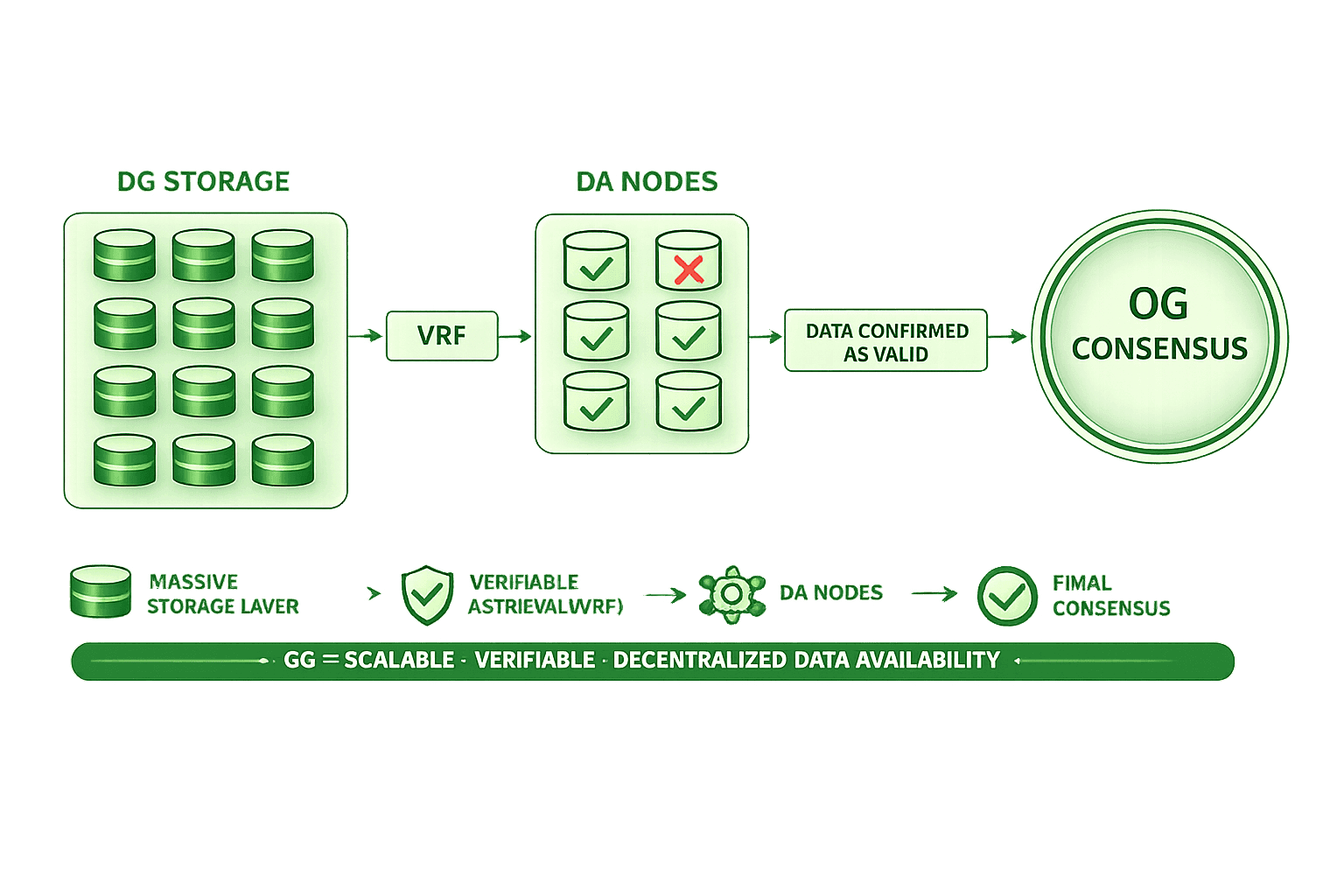
This approach helps improve scalability while maintaining transparency and verifiability.
For applications involving AI or large datasets, reliable data availability is essential. Without it, decentralized systems cannot guarantee that models or datasets remain accessible to participants.
Zero Gravity aims to provide a secure and scalable solution to this challenge.
Modular Infrastructure of the 0G Network
Another important feature of the 0G network is its modular infrastructure.
By separating execution, storage, and data availability into different layers, the system can scale more efficiently than traditional monolithic blockchains.
This modular structure allows developers to build applications that require significant computing power or storage without overloading a single blockchain component.
It also provides flexibility for developers who want to integrate different layers into their own application architecture.
High-Performance Data Processing
AI applications generate massive volumes of data.
Training models, verifying datasets, and running inference pipelines all require systems capable of handling large data flows efficiently.
Zero Gravity focuses on high-throughput data processing so that decentralized applications can operate without constant bottlenecks.
This makes the 0G network particularly interesting for developers working on decentralized AI infrastructure.
Distributed Storage Infrastructure
Storage is another essential component of decentralized systems.
The Zero Gravity architecture includes decentralized storage mechanisms designed to support large datasets while maintaining verification capabilities.
This ensures that data remains accessible even if individual nodes leave the network.
Distributed storage combined with cryptographic verification helps maintain trust within decentralized environments.
Zero Gravity and AI Infrastructure
Artificial intelligence systems rely on three main resources:
- computing power
- large datasets
- reliable infrastructure
Most blockchain networks were never designed to handle these requirements. As a result, AI developers often rely heavily on centralized cloud providers.
Zero Gravity attempts to introduce decentralized alternatives.
By combining modular blockchain architecture with scalable data availability, the 0G ecosystem can support systems where AI models, datasets, and applications interact within decentralized networks.
For example, developers could train models using distributed datasets while ensuring that data integrity is verified on-chain.
Such systems could enable collaborative AI development without requiring centralized control over infrastructure.
Potential Use Cases for Zero Gravity
The architecture of the Zero Gravity network opens the door to several possible applications across Web3 and AI ecosystems.
Decentralized AI Platforms
AI developers may use the 0G network to coordinate distributed training tasks, store datasets, and share models within decentralized environments.
This could allow research teams and developers to collaborate without relying on centralized infrastructure.
Data Marketplaces
Another potential use case involves decentralized data marketplaces.
Individuals or organizations could share datasets while maintaining ownership and permission controls. Blockchain infrastructure could verify usage and ensure transparent payments.
AI Model Hosting
Machine learning models often require significant storage resources.
Zero Gravity infrastructure could enable decentralized hosting systems where models are stored and executed across distributed nodes.
Web3 Infrastructure Services
Beyond AI applications, the network may also support data-heavy Web3 services such as analytics platforms, indexing systems, or decentralized data APIs. These services require reliable access to large volumes of blockchain data, making them well suited to the 0G ecosystem.
The Growing 0G Ecosystem
As development progresses, the 0G ecosystem is expected to expand with new decentralized applications and infrastructure providers.
Projects building within the ecosystem may include:
- decentralized AI platforms
- machine learning marketplaces
- distributed storage systems
- data indexing and analytics services
The broader vision behind Zero Gravity is to create an environment where developers can deploy scalable applications that combine blockchain security with modern data processing capabilities.
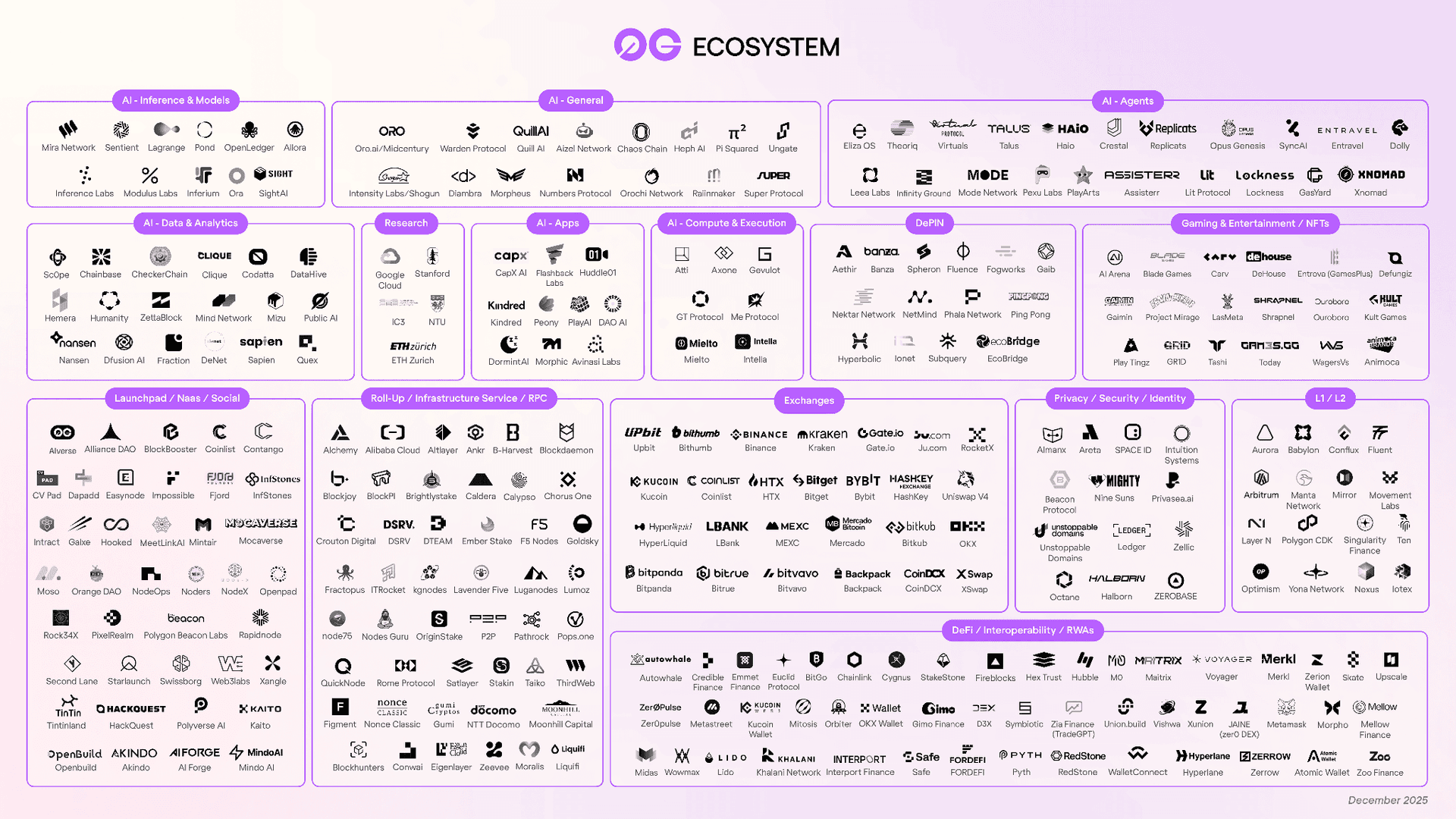
If successful, the ecosystem could support entirely new categories of decentralized services.
Challenges Facing Zero Gravity
Like any emerging blockchain infrastructure project, Zero Gravity still faces several challenges.
First, the technology itself is complex. Building decentralized infrastructure capable of supporting AI workloads requires solving difficult problems related to scalability, storage, and verification.
Second, the ecosystem must attract developers. Infrastructure only becomes valuable once applications begin using it.
Third, competition within the modular blockchain sector is growing rapidly. Several projects are exploring similar approaches to data availability and decentralized computation.
Despite these challenges, the concept behind Zero Gravity aligns with one of the most significant trends in modern technology: decentralized AI infrastructure.
The Future of Zero Gravity and the 0G Ecosystem
The development of the 0G network reflects a broader shift in blockchain innovation.
Instead of focusing exclusively on financial transactions, modern blockchain infrastructure is increasingly designed to support computation, storage, and data-intensive applications.
Zero Gravity sits at the intersection of decentralized infrastructure and artificial intelligence.
If decentralized AI systems continue to expand, networks capable of supporting large-scale data availability will likely become essential components of Web3 architecture.
With development led by 0G Labs, the Zero Gravity ecosystem is positioning itself as a platform capable of supporting next-generation decentralized applications and AI-driven systems.
For developers and researchers exploring the future of decentralized computing, Zero Gravity is a project worth watching as the ecosystem continues to evolve.
Frequently Asked Questions

A Web3 OG who has navigated the industry’s evolution from whitepapers to widespread adoption. Having built through the euphoria of bull runs and the discipline of bear winters. Opinions are strictly personal, crafted from years of deep-dive research and hands-on experience in the trenches.